How to Fill Out a Money Order (and Where to Get One)

Last fact-checked: · Editorial standards
If you need a money order, there are many convenient places where you can buy one quickly and safely — but knowing how to fill out a money order ensures the process goes smoothly. Post offices, banks, grocery stores, and retail chains like Walmart or Amscot often sell them. Fees and locations vary, so it helps to compare before choosing where to buy. Knowing where to get a money order saves time and helps avoid extra costs. For more tips, check out these smart ways to save money for the future.
A money order is a simple, secure way to send money when cash or personal checks aren’t ideal. You pay a set amount in advance, making it safer and more reliable for both you and the recipient. It’s a good option if you don’t have a bank account or want to avoid using cash.
Once purchased, you fill out the details for yourself and the recipient to make sure the payment goes to the right person. This step-by-step process is exactly how to fill out a money order correctly so it’s accepted without issues. Money orders work well for mailing payments or when guaranteed funds are required. They can be tracked or replaced if something goes wrong, giving extra protection.
For domestic or international payments, money orders remain a safe, prepaid method. If you understand how to fill out a money order and where to buy one, you’ll always have a reliable payment option.
What Is a Money Order?
A money order is a prepaid paper document that helps you send money safely without needing a bank account. It works as a prepaid certificate you buy and give to someone else. You pay the full amount upfront plus a small fee, and the issuer creates a paper document that can be used to pay someone else.
The money order is made out to a person or business you choose. The receiver can cash it or deposit it. Because it is prepaid, it is guaranteed. This means the money is there when the recipient uses it. Money orders are often used if you don’t have a bank account or want a safer way to send money.
History of Money Order
Money orders have been around since the 19th century. They were created as a secure way to send money before digital payments existed. Originally, post offices issued many money orders because they had a wide service network. Over time, banks and other places started offering them too. Their use peaked when many people did not have bank accounts. Today, money orders are still used when you want a secure, prepaid way to send money without relying on electronic transfers.
Money Order vs. Check
Money orders and checks both let you pay others, but they work differently:
- Money Orders: Prepaid and guaranteed. They don’t require a bank account and are safer because funds are secured before sending.
- Checks: Draw funds from your bank account. They can bounce if you don’t have enough money, making them less secure.
Money orders usually have a smaller limit, around $1,000, while checks can be for almost any amount. You use money orders when you want to avoid bounced payments or don’t want to share bank details. Checks are better for everyday banking if you have an account and trust the recipient.
How A Money Order Works
Money orders let you pay a fixed amount of money securely without needing a bank account. You pay upfront, so the money is guaranteed to the recipient. Different places offer money orders with simple steps and some fees involved.
Issuing Process
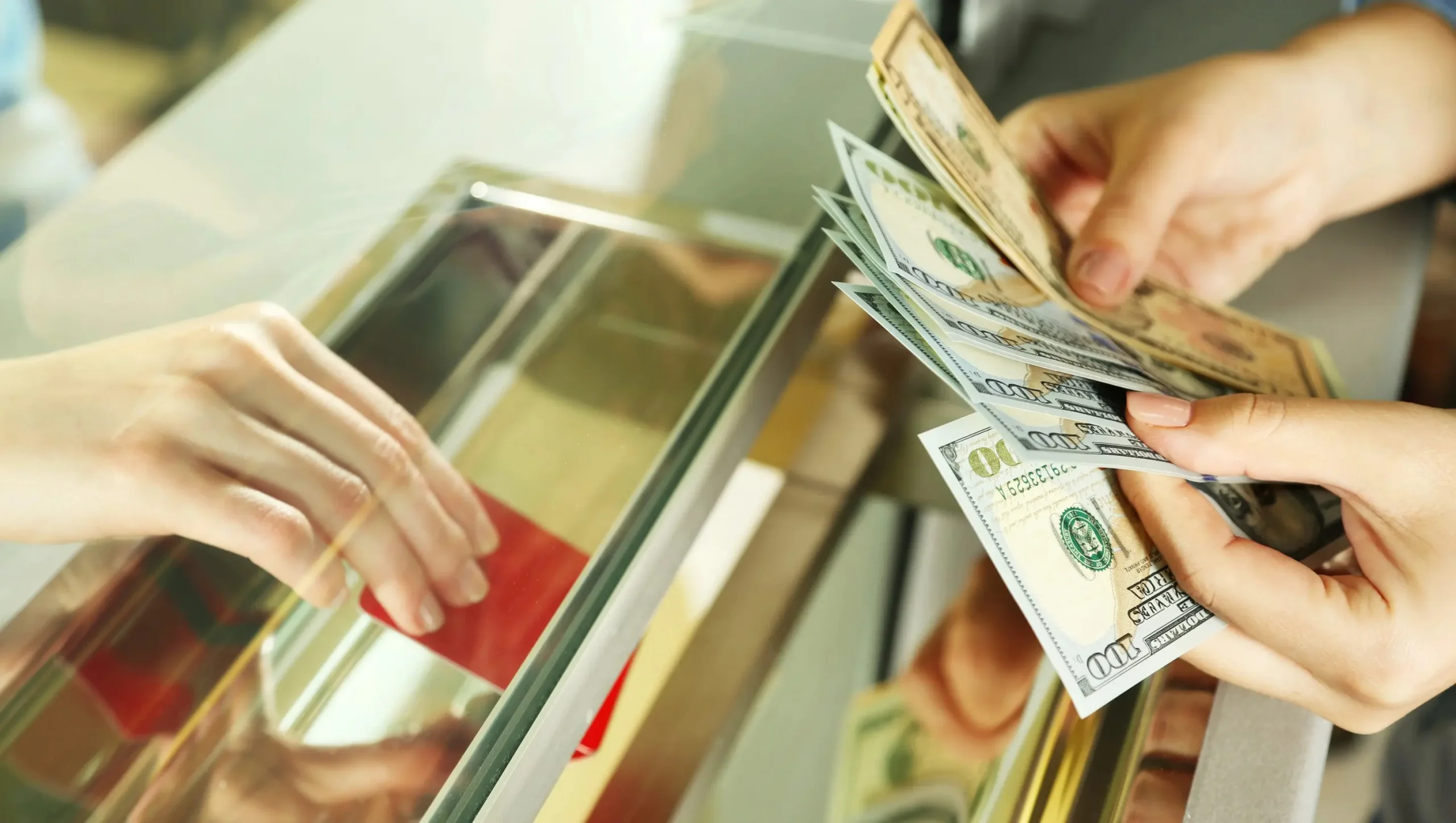
To get a money order, you visit a bank, post office, or certain retail stores. You specify the amount you want to send, up to a set limit (often around $1,000). You pay that amount plus any fee right away. The issuer creates a prepaid document that you or the recipient can cash or deposit. The payment is guaranteed because you already gave the money.
You usually get a receipt with a tracking number to keep proof. This helps if you need to trace or cancel it later.
Required Information
When you buy a money order, you need to provide specific details. This usually includes:
- The recipient’s full name
- Your name and address
- The amount in numbers and words
Some places might ask for an ID to verify your identity. Filling out information clearly helps prevent fraud and ensures the recipient can cash it without trouble.
Fees and Limits
Most places charge a fee for issuing a money order. This fee varies but is often between $1 and $5 depending on the issuer and the money order’s value. Some retailers might charge less than banks or post offices.
Money orders are usually for smaller amounts, often up to $1,000. If you need to send more, you may need to purchase multiple money orders. If you lose a money order, you may pay extra to replace it. Cashing a money order can sometimes have a fee if done at a different place than where you got it.
Checking fees and limits before buying helps you avoid surprises and choose the best option for your needs.
Where to Get Money Orders
You can get money orders from several places, and each option has its own benefits, costs, and convenience factors. Knowing where to go helps you choose the best fit for your needs.
Banks and Credit Unions
Most banks and credit unions sell money orders to their customers. You usually need to have an account with them, and fees are often low or even free. These institutions provide secure transactions and widely accepted payment documents.
- Limits: Typically around $1,000 per money order.
- Fees: Often free or low for account holders, higher for non-customers.
- Hours: Limited to standard banking times, which may not include evenings or weekends.
- Requirements: Bring valid ID and enough funds to cover both the money order and the fee.
If you’re a customer, ask about possible fee waivers or discounts.
Post Offices (USPS)
The United States Postal Service is one of the most reliable and widespread options. USPS sells domestic money orders up to $1,000 and also offers international ones.
- Fees: Usually between $1.20 and $1.75 depending on the amount.
- Payment: Cash, debit cards, or traveler’s checks are accepted.
- Convenience: Consistent service nationwide, with many locations offering extended hours and weekend availability.
- Security: USPS money orders are considered very safe and include tracking.
Retail Stores
Many retail chains and supermarkets offer money order services, often through MoneyGram, Western Union, or their own systems.
- Walmart: One of the cheapest and most widely available options. Fees typically range from $0.50 to $1.00 per order, with a maximum amount of $1,000. Payment is accepted in cash or with a debit card. Walmart’s long hours and nationwide presence make it a popular choice.
- CVS Pharmacy: Provides money orders at most locations. Fees are competitive, with limits generally set at $1,000 per order. Cash or debit card payments are accepted, and a receipt is always provided for tracking.
- 7-Eleven: Offers money orders through companies like Western Union. Fees vary by store and amount but are usually affordable. Many stores are open 24/7, making them convenient for last-minute needs.
Convenience Stores
Convenience stores in many neighborhoods also sell money orders. They provide quick, easy access and often have extended hours. Fees and limits vary depending on the chain and location.
At all retail and convenience stores, be sure to keep your receipt. This protects you if the money order is lost, stolen, or needs to be traced later.
Why Use Money Orders?
Money orders are a safe and simple way to send money or pay bills. They offer specific advantages over cash or personal checks, making them a useful tool in many situations.
Benefits of Money Orders
- Guaranteed Payment: Money orders are prepaid, so you pay the full amount upfront. This guarantees that the funds are available and prevents the risk of bounced payments.
- Traceable: Each money order comes with a receipt and tracking number, letting you keep a record of your payment and follow up if needed.
- No Bank Account Required: You do not need a bank account to buy or use a money order, which makes them accessible for people without traditional banking services.
- Low Fees: Fees are usually affordable, often just a few dollars, and sometimes less than $1 at certain retailers.
- Wide Availability: Money orders are sold at banks, post offices, grocery stores, convenience stores, and large retailers.
- Privacy: Because they do not include your personal bank details, money orders protect your privacy better than checks.
When to Choose Money Orders
Use money orders when you need a secure payment method but don’t want to use cash or personal checks. They are especially useful for:
- Paying rent, bills, or recurring expenses.
- Sending money to someone who does not have a bank account.
- Making international payments.
- Transactions where proof of payment is important.
- Situations where you want a guaranteed form of payment.
- Avoiding the risk of carrying or mailing large amounts of cash.
- Reducing costs if your bank charges high fees for checks.
Key Takeaways
Money orders are prepaid and guaranteed payments you complete at purchase. They work well for sending funds by mail or when a guaranteed form of payment is required.
How to Find Money Orders Near You
If you need to buy a money order quickly, there are several ways to locate the nearest option. Online tools, mobile apps, and navigation services can help you compare fees, hours, and convenience before you go.
Online Store Locators
Many businesses provide store locators on their websites to help you find money order services. For example, Western Union and the USPS have online tools where you enter your city or zip code, and the system lists nearby locations. These locators often show:
- Store hours
- Services offered
- Fees and limits
Banks and large retailers may also provide similar tools for their branches. Using online locators gives you accurate details and allows you to plan your visit ahead of time.
Mobile Apps
Apps are another quick way to find money order sellers. Google Maps, Apple Maps, and store-specific apps let you search for locations that provide money orders. Many apps include:
- Customer reviews
- Updated business hours
- Directions and estimated travel times
Some even display the cost of money orders at that location, helping you avoid unnecessary fees. Mobile apps are especially useful when you’re on the go and need up-to-date information.
Navigation tools make it simple to search for “money order near me” and instantly see results. These maps show distances, travel times, and contact information for each location. You can filter results by type of store or business hours.
Before heading out, confirm that the location actually sells money orders and check their hours to avoid wasted trips. Some places may close early, have limited weekend service, or place restrictions on purchase amounts.
Requirements for Purchasing a Money Order
When purchasing a money order, you need to provide certain documents and pay using specific methods. While requirements vary slightly depending on the location, they are generally straightforward.
Valid Identification
Most places require you to show a valid form of ID before issuing a money order. This helps prevent fraud and ensures the transaction is secure. Commonly accepted IDs include:
- Driver’s license
- State-issued ID card
- Passport
- Military ID
Some issuers may ask for additional identification if your ID does not include a photo or if you are buying a large amount. Without proper ID, it may be difficult to complete the purchase, especially at banks or post offices. Always carry valid ID when planning to buy a money order.
Accepted Payment Methods
Payment methods differ by location, but the most commonly accepted options are:
- Cash: Widely accepted everywhere.
- Debit Cards: Accepted at many banks, retail stores, and post offices.
- Traveler’s Checks: Less common, but still allowed at some places.
Credit cards are usually not accepted because money orders are treated like cash replacements. Some issuers, such as USPS or certain grocery stores, may only allow cash or debit card payments.
Keep in mind that fees may also vary depending on how you pay. It’s best to confirm accepted payment methods with the location before you go.
How to Fill Out a Money Order
Filling out a money order correctly ensures your payment reaches the right person without delays. Writing accurate details prevents confusion, fraud, or rejection.
Filling Instructions
- Recipient Information: Write the full name of the person or business you are paying on the “Pay to” or “Recipient” line. Use complete and accurate names to avoid fraud or loss.
- Purchaser Information: Sign the money order on the “Purchaser” or “From” line. Your signature proves you are the sender. Some issuers also ask for your address and phone number.
- Payment Amount: Fill in the amount if it is not pre-printed. Write clearly in both numbers and words, depending on the form.
- Additional Details: Some money orders provide a “Memo” or “Payment For” line where you can write account numbers or payment references.
- Keep the Receipt: Detach and keep the receipt or stub. Write down the money order’s tracking number. This helps if you need to trace, cancel, or prove payment later.
Tips for Accuracy
- Always use a blue or black pen. Avoid pencils, as they can be altered.
- Write legibly in block letters to prevent errors.
- Double-check the spelling of names and the amount before submitting.
- Never leave fields blank. A blank space could allow someone else to fill it in fraudulently.
- Do not sign the back unless you are the receiver. Signing early may allow theft or misuse.
Avoiding Common Mistakes
- Do not try to erase or correct mistakes on the money order. If you make an error, request a new one instead.
- Never leave the recipient field blank — it could be cashed by anyone who finds it.
- Always keep your receipt until you confirm that the money order has been deposited or cashed.
Sending and Receiving Money Orders
After purchasing and filling out a money order, the next step is sending it safely and ensuring the recipient can cash or deposit it without issues. Knowing the correct process helps protect your payment and avoid delays.
Mailing Guidelines
- Mail the money order in a secure envelope to reduce the risk of loss or theft.
- It is best to use a mailing service that offers tracking for added security.
- Money orders do not expire, so recipients can cash them at any time.
- If the money order is lost or stolen, your receipt allows you to report it and request a replacement.
- Do not send cash through the mail. Money orders are safer because they are prepaid and can be canceled if problems occur.
Cash Pickup Options
When someone receives a money order, they usually cash it at their bank. Banks often do not charge a fee to cash money orders for their own customers. If a bank is not an option, recipients can cash money orders at many other places, such as:
- Post offices
- Western Union locations
- Grocery stores
- Drugstores like CVS or Walgreens
Depositing a money order into a bank or credit union account is also common and convenient. Always check if the location requires ID or other verification before cashing or depositing.
Where to Cash a Money Order
You can cash a money order at:
- Banks and credit unions
- Some retail stores and supermarkets
- Check-cashing outlets
- U.S. Postal Service (for USPS-issued money orders)
Each location may charge a fee. Banks usually charge less or none at all if you have an account with them, while retail stores and check-cashing services may charge more. Some places only cash money orders they issued, so confirm before visiting.
Required Identification for Cashing
Most issuers require valid photo ID to cash a money order. Accepted IDs typically include:
- Driver’s license
- State-issued ID card
- Passport
- Military ID
Some places may ask for a secondary ID, such as a utility bill, to verify your address. Make sure the name on the money order matches your ID to avoid problems.
Tracking and Verification
One advantage of money orders is that they can be tracked and verified. This helps ensure your payment reaches the right person and protects you from fraud or loss.
Tracking Tools
To track a money order, you need details like the money order number and the place where you bought it. Each issuer provides its own tracking system:
- USPS: Check the status online by entering the money order number on their website.
- MoneyGram & Western Union: Offer online tracking tools and customer service hotlines where you can confirm whether a money order has been cashed.
Always keep your receipt until you confirm the money order has been processed. The receipt contains the tracking number you need if the order is lost, stolen, or delayed.
Confirming Receipt
Confirming that a money order has been cashed provides peace of mind and proof of payment. Issuers can tell you if it has been deposited or if it is still outstanding.
This step is especially important if you are sending money to someone you don’t know well, or if you need documentation for rent, bills, or other important transactions.
If you suspect fraud or any problems, contact the provider’s fraud hotline immediately. Many issuers include verification systems or QR codes on money orders to help confirm authenticity.
Replacing or Cancelling a Money Order
If a money order is lost, stolen, or filled out incorrectly, you cannot simply change the details yourself. Instead, you must contact the issuer and follow their procedures for cancellation, replacement, or refund.
Lost or Stolen Money Orders
- Act quickly by contacting the issuer as soon as you notice the problem.
- You will usually need to fill out a special form requesting a stop payment or cancellation.
- Be ready to provide details such as the money order number, purchase date, and amount.
- Without this information, it can be difficult to process your request.
- Replacement may take time, and fees usually apply. Each issuer has its own rules, so always check their policies.
Refund Procedures
To request a refund or replacement, issuers typically require you to submit a refund request form (sometimes called a Money Order Inquiry). You will also need to include:
- Money order number
- Purchase date
- Original receipt (if available)
- Purchaser’s information
If the money order has not been cashed, most issuers will refund you the amount, minus a cancellation or processing fee. This fee can range from about $5 to $18, depending on the issuer.
Timeframes for Processing
The time it takes to cancel and refund a money order varies. After submitting your request, the issuer must verify if the money order is still valid. This review process can take several weeks, sometimes up to 30 days or more.
Once the check is complete, you will receive either a refund or a replacement money order. While waiting, keep copies of your submitted forms and receipts. Following up with the issuer can help ensure your request is processed smoothly.
Safety and Security of Money Orders
Money orders include built-in protections that make them safer than cash or personal checks. Because they are prepaid, the funds are guaranteed, reducing the risk of bounced payments. Still, it is important to take precautions against fraud and counterfeiting.
Preventing Fraud
- Buy money orders only from trusted sources such as post offices, banks, or major retailers.
- Always keep your receipt and note the money order number. This allows you to track or replace it if it gets lost or stolen.
- When sending a money order, use secure mailing options such as registered mail or a courier with tracking.
- Avoid sharing money order details with strangers.
- If you receive a money order as payment, wait until it clears before shipping goods or sending cash back.
Recognizing Counterfeit Money Orders
Fake money orders can appear very similar to real ones, but often lack key security features. To reduce risk:
- Check for watermarks, security threads, or holograms that are difficult to copy.
- Examine printing quality — blurred text, misspellings, or uneven fonts are warning signs.
- Verify the issuer by contacting them directly using an official phone number from their website.
- Be cautious if a sender pressures you to cash a money order quickly or return part of the funds.
If a money order seems suspicious, do not cash it. Contact local authorities or the issuing institution to confirm its legitimacy.
Alternatives to Money Orders
While money orders are secure and reliable, they are not the only way to send or guarantee payments. Depending on the situation, you may find other methods faster, more convenient, or better suited for large transactions.
Electronic Payment Options
Electronic payments allow you to transfer money quickly using your phone or computer. Common services include:
- PayPal
- Venmo
- Bank transfer services
Advantages:
- Funds are often received instantly.
- Many options have low or no fees.
- You do not need to visit a physical location.
- Transactions are automatically recorded, providing a clear payment history.
Limitations:
- Both sender and recipient usually need accounts with the same service.
- Some platforms limit the amount you can send at one time.
Certified Checks
A certified check is a paper check guaranteed by your bank. The bank verifies that you have enough money in your account and sets those funds aside to cover the payment.
Advantages:
- Safer for large purchases or important transactions.
- Widely accepted because the funds are guaranteed.
Limitations:
- Usually costs more than a money order.
- Requires visiting your bank to obtain one.
- Processing may take longer compared to electronic transfers.
Certified checks are often chosen when making major payments, such as buying a car or placing a down payment on a home, while money orders remain practical for smaller, everyday payments.
Conclusion
Money orders remain a simple, secure, and reliable payment method. They are prepaid, guaranteed, and widely available at banks, post offices, retail stores, and convenience shops. Because they do not require a bank account, they are accessible to nearly everyone.
They provide specific advantages: guaranteed funds, traceability, privacy, and affordability. Money orders are especially useful for paying bills, sending rent, or mailing money safely without the risk of bounced checks or carrying large amounts of cash.
With the ability to track, replace, and verify them, money orders offer an extra layer of protection compared to many other payment forms. While alternatives like electronic transfers and certified checks have grown in popularity, money orders remain a dependable option when you need a secure, prepaid form of payment.
Whether purchased at a bank, post office, or local store, money orders continue to be a trusted tool for handling everyday financial transactions.

Sarah Whitman is the founder and lead editor of Keen Pocket. She holds a BS in Accounting and Finance and writes plain-English guides on budgeting, saving, debt, and beginner investing.