How to Start Investing With Little Money: A Beginner’s Guide

Last fact-checked: · Editorial standards
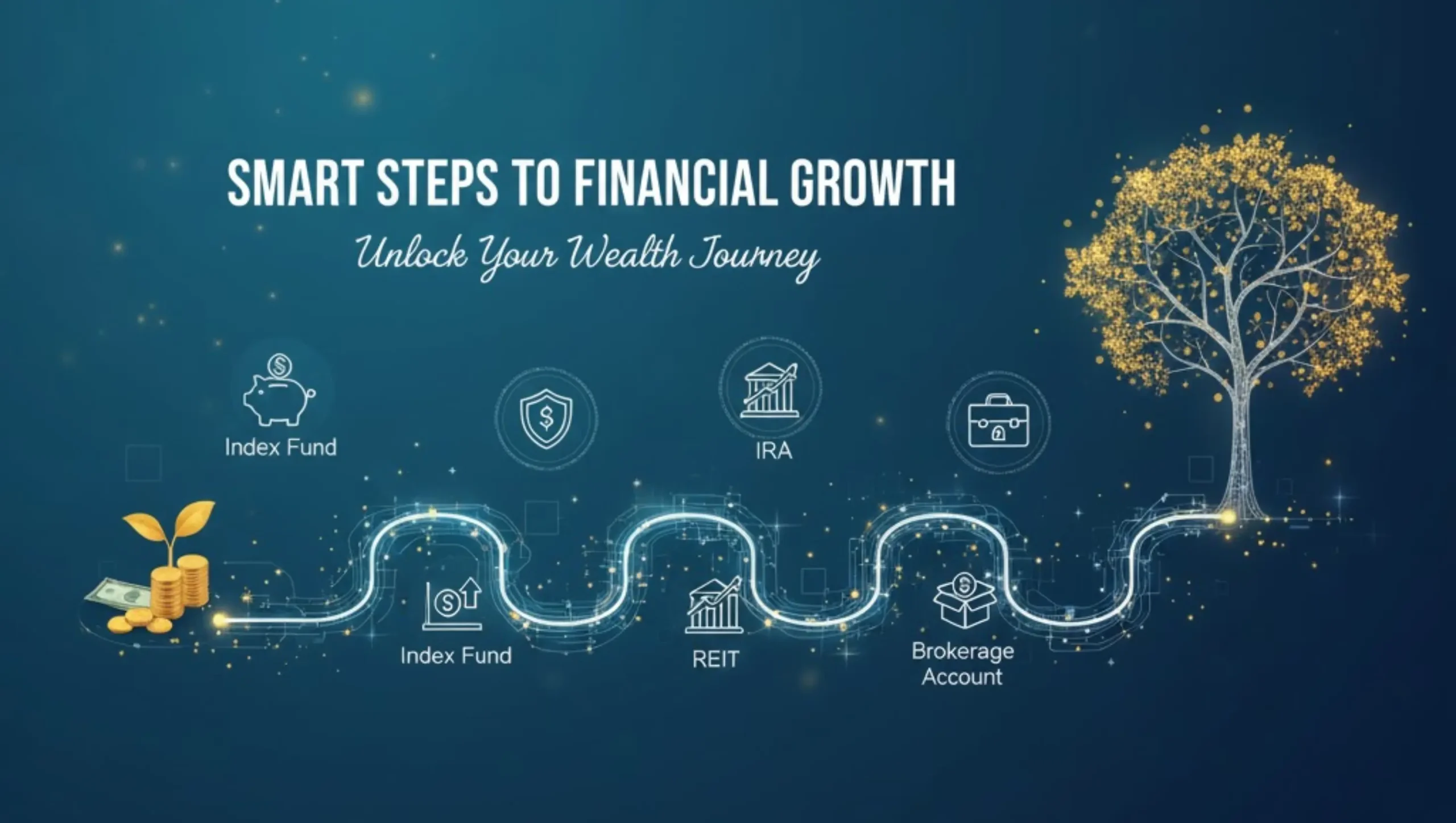
You do not need a lot of money to start investing. With fractional shares, zero-commission brokers, and micro-investing apps, anyone can get started and learn how to start investing with little money. Even if you have just 5, 50, or 100 dollars, you can begin building wealth step by step. If $50 a month is your number, see our full plan for investing 50 dollars a month for beginners.
This guide will show you how to start investing with a small budget, avoid common mistakes, and get the most out of your money over time.
Why Small Investments Matter More Than You Think
Learning how to start investing with little money begins with understanding the power of compounding. Imagine a snowball rolling down a hill, starting small but picking up more snow as it goes along; this is similar to compounding. You earn returns on your initial investment, and then those returns also start to generate their own returns. Over time, this snowball effect can lead to significant growth in your wealth.
Examples of What Small Consistent Contributions Can Become
- If you invest 100 dollars each month for 10 years at a 9 percent nominal return, you could end up with about 20,000 dollars. However, adjusting for an average inflation rate of 2 percent, the total would be closer to 16,500 dollars in today’s dollars. Understanding the difference between nominal and real returns can help set realistic expectations and highlight the importance of starting to invest as early as possible to maximize growth.
- Investing 200 dollars a month for 10 years at a 6 percent return could grow to around 33,000 dollars.
- If you put in $100 a month for 25 years at a 10 percent return, you could have about $133,000, even though you only contributed $30,000.
The key is to get started, even if your first investment is small. Being in the market over time matters more than trying to pick the perfect moment.
Step 1: Create a Stable Financial Foundation Before You Invest
Before you learn how to start investing with little money, make sure your short-term finances are stable. Building a stable financial foundation includes having an emergency fund. This cash cushion not only prepares you for investing but also brings peace of mind. Imagine encountering unexpected life hiccups like a flat car tire or a sudden medical copay; having an emergency fund means you can handle these situations without financial stress, making it a crucial aspect of your overall financial wellness.
Build an Emergency Fund
Try to save at least 500 dollars to start your emergency fund, and aim for 3 to 6 months of living expenses. Keep this money in a high-yield savings account.
Pay Down High-Interest Debt
If you have credit card debt or loans with interest rates over 8 to 10 percent, focus on paying those off first. Think of eliminating this high-interest debt as earning a risk-free return of 18 percent, which is an opportunity you would rarely find in most investments. By paying off your debt, you’re essentially securing guaranteed returns while laying a solid foundation for your future investing activities.
Decide How Much You Can Invest
Pick an amount you can invest each month, even if it is just 25 or 50 dollars. Think of it as a monthly payment to your future self. If retirement feels out of reach on a tight budget, see our guide to retirement planning on a low income in your 30s.
Step 2: Use Your Employer Retirement Plan if You Have One
What is a 401 (k)?
A 401k is a retirement savings account from your employer. You pick a percentage of your paycheck to invest automatically. Many employers will match some of your contributions, which is like getting free money for your retirement.
Why 401 (k) Plans Make Investing Simple
- Automatic payroll deductions
- Taxadvantages
- Low minimums
- Employer match
What to Invest in Inside a 401 (k)
Most plans offer simple, beginner-friendly choices like:
- Target date retirement funds
- S&P 500 index funds
- Total stock market funds
What is a target date fund?
A target date fund is set up for the year you plan to retire. It starts with more stocks when you are younger and slowly adds more bonds as you get closer to retirement.
Step 3: Open an IRA if You Do Not Have a 401 (k)
If you do not have a retirement plan at work or want to invest extra, an IRA is a good choice.
What is an IRA?
An IRA, or Individual Retirement Account, is a personal retirement account you can open at a bank or brokerage. Your money grows with tax benefits, much like a 401(k), allowing it to be tax-free in retirement.
- Traditional IRA: You may get a tax deduction now, and you pay taxes when you withdraw in retirement.
Most brokerages let you open an IRA with no minimum amount, so it is easy for beginners to get started.
What to Invest in Inside an IRA
- Index funds
- ETFs
- Target date funds
- Robo advisor portfolios
Step 4: Open a Low-Cost Brokerage Account for Flexible Investing
A brokerage account is a regular investing account where you can buy stocks, funds, and other investments. It is not just for retirement, so you can take out your money whenever you need it.
What is a brokerage account?
You open a brokerage account with a financial company, deposit money, and use it to buy things like stocks, ETFs, or bonds. Brokers for Beginners
- Fidelity
- Charles Schwab
- Vanguard
- Robinhood
- Webull
- M1 Finance
Most of these brokers offer fractional shares and do not charge commissions for trading.
Step 5: Choose Beginner-Friendly Investments for Small Budgets
When learning how to start investing with little money, focus on simple, low-cost, and diversified investments.
Index Funds and ETFs
These are some of the best options for beginners.
What is an index fund?
An index fund is a group of many stocks that follows a specific market index, like the S&P 500. It helps spread out your risk and gives you broad exposure to the market.
What is an ETF?
An ETF, or Exchange Traded Fund, is like an index fund but trades on the stock market like a regular stock. You can buy or sell it any time the market is open.
Benefits of Index Funds and ETFs
- Highly diversified
- Very low fees
- You can buy them with small amounts of money.
- Fractional shares are ideal for beginners as they let you buy just a piece of a stock instead of a whole share. So, if a stock costs $300, you can still invest as little as $5.
REITs
A REIT, or Real Estate Investment Trust, is a company that owns real estate that makes money. You can invest in real estate by buying shares of a REIT instead of buying property yourself.
Safe Short-Term Options
Use these if you need the money soon:
- High-yield savings accounts
- Money market accounts
- Short-term CDs
- Short-term bond funds
Step 6: Use Micro Investing Apps to Build Investing Habits
If you want a simple, automatic way to start, micro-investing apps can help you invest small amounts on a regular basis.
Examples
- Acorns for round-up investing
- Betterment or Wealthfront for automated portfolios
- Robinhood or Webull for self-directed investing
- Stash or SoFi for beginner-friendly education
- Cash App Investing for very small amounts. Just remember to watch out for monthly fees.
Step 7: Stay Consistent and Let Your Money Grow Over Time
Knowing how to start investing with little money is only the first step. The real key to building wealth is staying invested over time.
Automate Your Deposits
Set up automatic deposits so you invest regularly without having to remember each time.
Increase Your Contributions Over Time. Increase how much you invest whenever you get a raise or cut your expenses.
Reinvest Dividends
Set up automatic dividend reinvestment so all your earnings keep working for you.
Avoid Emotional Decisions
Keep investing even when the market goes down. Ups and downs are normal, and people who stick with it for the long term usually do better.
Common Mistakes to Avoid as a New Investor
- Waiting too long to start. Ask yourself: Am I postponing investing because I want to gather more information or out of fear of the unknown?
- Putting all your money into one stock. Ask yourself: Is my portfolio diversified enough to handle market fluctuations?
- Following hype or FOMO. Ask yourself: Am I making investment decisions based on careful analysis or just following trends?
- Trading too often. Ask yourself: Am I trying to time the market instead of sticking to my investment plan?
- Ignoring fees. Ask yourself: Have I considered how fees will impact my long-term returns?
- Investing money you need soon. Ask yourself: Am I investing funds that I might need to access shortly?
- Try to avoid these mistakes and focus on being consistent and spreading out your investments.
Quick Start Checklist for Beginners
- Save 50 to 100 dollars to begin.
- Build a small emergency fund.
- Pay down high-interest debt.
- Open a 401 (k), IRA, or brokerage account.
- Choose a simple index fund or ETF.
- Automate monthly contributions
- Increase coKeep your money invested and let compounding help it growd let compounding work for you.
Frequently Asked Questions (FAQs)
Q. Is it worth investing if I only have 100 dollars?
Yes, absolutely. Starting with 50 or 100 dollars is enough to build your investing habit. Consistency matters more than the amount.
Even small contributions can add up over time.. For example, investing 100 dollars a month for 10 years at a moderate return can grow to almost 20,000 dollars. Starting early also helps you learn how markets work and build good financial habits.
How much you end up with depends on how much you invest, how long you invest, and your average return. Here is a general example:
- 100 dollars per month for 10 years at around 8 percent growth could become 18,000 to 20,000 dollars.
- Over 20 years, that could grow to 55,000 to 60,000 dollars.
- Over 30 years, it has grown to more than 140,000 dollars. You can use any online investment calculator to see your own numbers. The most important things are being consistent and staying invested over time.
Q. I do not have a 401 (k) at work. Can I still retire comfortably?
Yes, you can still build wealth with an IRA and a regular brokerage account, even if you do not have a plan at work. A Roth or Traditional IRA gives you tax benefits, and you can add more each year as your income grows. Many people retire comfortably using just IRAs. If you have extra income from a side job, you can also use accounts like a SEP IRA or solo 401(k) to save even more.
Q. Should I pay off debt or invest?
It depends on your debt. Pay off high-interest debt, like credit cards, first because the interest is usually higher than what you would earn investing. For low-interest debt, like most student loans or mortgages, you can pay it down while also investing. A balanced approach is best: get rid of high-interest debt, keep up with other payments, and invest regularly.
Q. Is day trading a good idea if I only have a small amount of money?
For most beginners, day trading is not a good idea. It is risky, unpredictable, and hard to make money with a small account. Just a few bad trades can wipe out your balance. There are also rules that limit day trading if your account is under 25,000 dollars. Long-term investing is a much safer way to build wealth with small amounts.
Q. What are the best investments for beginners with little money?
The best investments for beginners are simple and spread out your risk. These include:
- Index funds
- ETFs (Exchange Traded Funds)
- Target date retirement funds
- REITs for small real estate exposure
- Bond funds if you want lower risk
These choices help keep fees low and lower your risk by spreading your money across many companies.
Q. What are the best investing apps for beginners?
Some of the most beginner-friendly apps are:
- Robinhood for simple stock and ETF investing
- Webull for more detailed charts and tools
- Fidelity or Schwab for full-service investing and fractional shares
- Acorns for automatic round-up investing
- Betterment or Wealthfront for hands-off robo portfolios
- M1 Finance for automated custom portfolios
- Stash or SoFi for combined learning and investing
- Cash App Investing for simple 1-dollar trades
The best app for you depends on whether you want everything automated or prefer to manage your investments yourself.
Final Takeaway
If you want to learn how to start investing with little money, the most important thing is to just begin. Keep things simple, invest regularly, and give your money time to grow. Even small amounts can add up when you invest wisely for many years.

Sarah Whitman is the founder and lead editor of Keen Pocket. She holds a BS in Accounting and Finance and writes plain-English guides on budgeting, saving, debt, and beginner investing.