
How to Save Money for the Future: A Practical Guide

Last fact-checked: · Editorial standards
Learning how to save money for future goals starts with creating a plan you can actually stick to. The trick is to set clear goals and put aside a bit of cash regularly, even if it feels small at first.
Lots of people think saving is only for retirement, but that’s really not the case. It covers emergencies, big purchases, and all the weird surprises life throws your way.
How To Save Money For Future
By saving a little every day, week, or month, you slowly build a cushion and stress less about money. Honestly, even a few bucks here and there make a difference over time.
It helps to track expenses and cut things you don’t need. These small choices pile up and, before you know it, you’re more financially secure.
Setting Financial Goals

Setting solid savings targets gives you a real plan for the future. You need to know what you’re saving for, decide what’s most important, and check in on your progress now and then.
Identifying Short-Term and Long-Term Objectives
Start by listing every savings goal you can think of, then split them into short-term and long-term. Short-term usually means less than a year—like a trip or paying off a small loan.
Long-term goals take a few years, like buying a house or retirement. Writing them down makes them feel more real, and being specific helps: “Save $3,000 for a car down payment” beats just saying “save money.”
Clear goals make it easier to plan — and honestly, they’re just more motivating when you’re learning how to save money for future needs.
Prioritizing Savings Milestones
Not every goal needs your attention right away. Rank them so you know where to focus.
Emergency funds and high-interest debts usually go to the top. Here’s a simple way to sort things out:
| Priority | Goal Type | Reason |
|---|---|---|
| 1 | Emergency Fund | Protects against surprises |
| 2 | Debt Repayment | Reduces interest burden |
| 3 | Short-Term Fund | Upcoming expenses |
| 4 | Long-Term Fund | Future security |
Life changes, so don’t be afraid to revisit your list and shuffle things around.
Tracking Progress Towards Goals
Check in on your goals regularly—maybe every month or quarter. Compare how much you’ve saved to where you want to be.
Apps, spreadsheets, or even a notebook work fine for tracking. Visual stuff like charts or progress bars can make the process way more satisfying.
If you’re falling behind, tweak your budget or timeline. Keeping tabs helps you stay focused and moving forward.
Creating a Personal Budget

A budget is basically your map for money coming in and going out. It helps you decide how to save money for future expenses and where you might be overspending.
Focusing on income, spending, and savings goals gives you a clearer picture of your finances—maybe not exciting, but definitely useful. For a step-by-step guide to setting up a budget that works, check out our budgeting tips for beginners.
Analyzing Income and Expenses
First, add up all your income streams—salary, freelance gigs, anything regular. Knowing your total income sets the stage for what you can actually do.
Next, list your fixed expenses like rent and utilities, then your variable ones like groceries and going out. This shows where your cash disappears each month.
Here’s a simple breakdown:
| Income | Amount ($) |
|---|---|
| Salary | 2,500 |
| Freelance Work | 500 |
| Expenses | Amount ($) |
|---|---|
| Rent | 900 |
| Utilities | 150 |
| Food | 300 |
| Transportation | 100 |
This helps you see if you’re spending more than you make, and what you can actually save.
Allocating Funds for Savings
Once you know your numbers, set clear savings goals. Maybe it’s an emergency fund, a house, or just retirement.
Lots of people aim for 20% of their income, but you can tweak that to fit your situation.
Savings can go into buckets like:
- Emergency fund
- Short-term goals (trips, gadgets)
- Long-term goals (house, retirement)
Automate transfers if you can. Moving money to a separate account helps you avoid spending it by accident.
Adjusting Spending Habits
Once you see where your money goes, you might need to make a few cuts. Maybe ditch some subscriptions or eat out less often.
Setting spending limits for things like entertainment can help you avoid splurging. Using cash for fun money works surprisingly well for some people.
Check your spending every week to catch any slip-ups early. Small tweaks really do add up and give you more control.
Building Consistent Saving Habits

Regular saving is all about building habits that fit your life. Simple routines help you avoid skipping contributions and keep money stress low.
When saving becomes automatic, you’re less likely to forget—or talk yourself out of it. Emergency funds and saving challenges can make it less boring, too.
Automating Savings Contributions
Set up automatic transfers from checking to savings. That way, you don’t have to remember or second-guess yourself.
Banks usually let you schedule these for payday, which makes it even easier. Even if your income changes, you can still automate smaller amounts.
For example, moving $50 from every paycheck can really add up over a year. Automation keeps you honest, even when life gets busy.
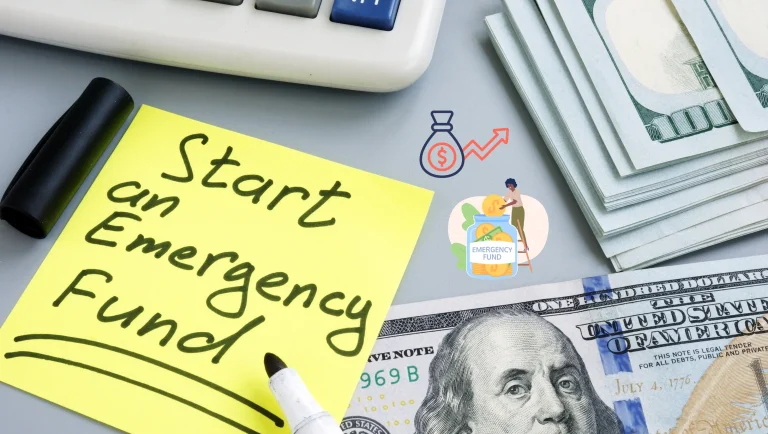
Establishing Emergency Funds
An emergency fund is your safety net for stuff like car repairs or medical bills. It keeps you from going into debt when things go sideways.
Experts say three to six months of expenses is ideal, but honestly, anything is better than nothing. Build it up slowly—no need to stress about hitting the full amount right away.
Keep this money in a separate account so you’re not tempted to dip into it. It’s all about peace of mind, really.
Leveraging Savings Challenges
Savings challenges can actually make saving kind of fun. You might try the 52-week challenge, where you save a little more each week, or a no-spend month to reset your habits.
These little games add structure and keep things interesting. Tracking your progress and celebrating small wins helps you stick with it.
Maximizing Income and Minimizing Expenses
Boosting your income and trimming costs are both solid moves when you’re figuring out how to save money for future plans. It takes a bit of effort, but the payoff is worth it.
Exploring Additional Income Streams
Picking up extra work or side gigs can speed up your savings. Maybe that’s freelancing, tutoring, or selling stuff you don’t need anymore.
Look for gigs that fit your schedule and skills—no need to burn out. Even a little extra cash helps and gives you more wiggle room.
Investing in your skills with online courses or certifications could lead to better-paying jobs or side hustles. Just try to keep a balance so you don’t get overwhelmed.
Cutting Unnecessary Costs
Trimming expenses frees up money to save. Start by tracking where your money goes—sometimes you’re spending more than you think on little things.
Cut back on stuff like eating out, unused subscriptions, or impulse buys. Cancel memberships you never use, or switch to cheaper plans.
Using cash instead of cards makes you more aware of your spending. Even saving $5 or $10 a day can make a real difference by the end of the month.
Investing for Future Growth
Investing can help your money grow faster than just sticking it in a savings account. You just have to pick the right options and understand a bit about risk and timing.
Choosing Appropriate Investment Options
Consider stocks, bonds, mutual funds, and savings accounts. Stocks can grow a lot but bounce around more. Bonds are steadier, but returns are usually lower. Mutual funds mix things up to spread out risk.
Your choice depends on your goals, how much you have, and how comfortable you are with ups and downs. If you need your money soon, safer options like bonds make sense. If you’re saving for something far off, stocks might be better for growth.
Compare fees, past results, and how easy it is to get your money out. High-interest savings accounts work for emergencies, but aren’t great for long-term growth.
Understanding Risk and Time Horizon
Risk is all about how much an investment’s value can swing up or down. Sometimes, bigger risks might mean bigger rewards—but yeah, losses can hit just as hard.
Lower risk feels safer, but honestly, it usually grows at a snail’s pace.
Time horizon? That’s just how long you plan to leave your money invested. If you’ve got years ahead, there’s more time to bounce back from any dips.
But if you’re only investing for a short stretch, you don’t get much room to recover. In that case, sticking with something safer makes sense.
Let’s say you’ve got 20 years. You might lean toward riskier stuff, like stocks, since you’ve got time to ride out the bumps.
If it’s just a couple of years, safer bets like bonds or savings accounts start to look more appealing. Matching your risk to your time frame can help you avoid panic selling when things get rough.
Please Like and Follow Our Facebook Page
Related: Emergency Fund Calculator

Sarah Whitman is the founder and lead editor of Keen Pocket. She holds a BS in Accounting and Finance and writes plain-English guides on budgeting, saving, debt, and beginner investing.