Sinking Fund Categories for Beginners (+ Free Tracker)

Last fact-checked: · Editorial standards
Most “surprise” expenses aren’t really surprises. The car service, the insurance renewal, the holiday shopping, you know they’re coming, just not the exact week. A sinking fund turns those predictable-but-irregular bills into a small, planned monthly habit, so they never have to land on a credit card. This free printable tracker gives each goal its own line. Below you’ll find the tracker, the categories worth planning for, and the simple math that keeps you a step ahead of the next big bill.
What Is A Sinking Fund, and Why Should You Use One?
What can sinking funds cover?
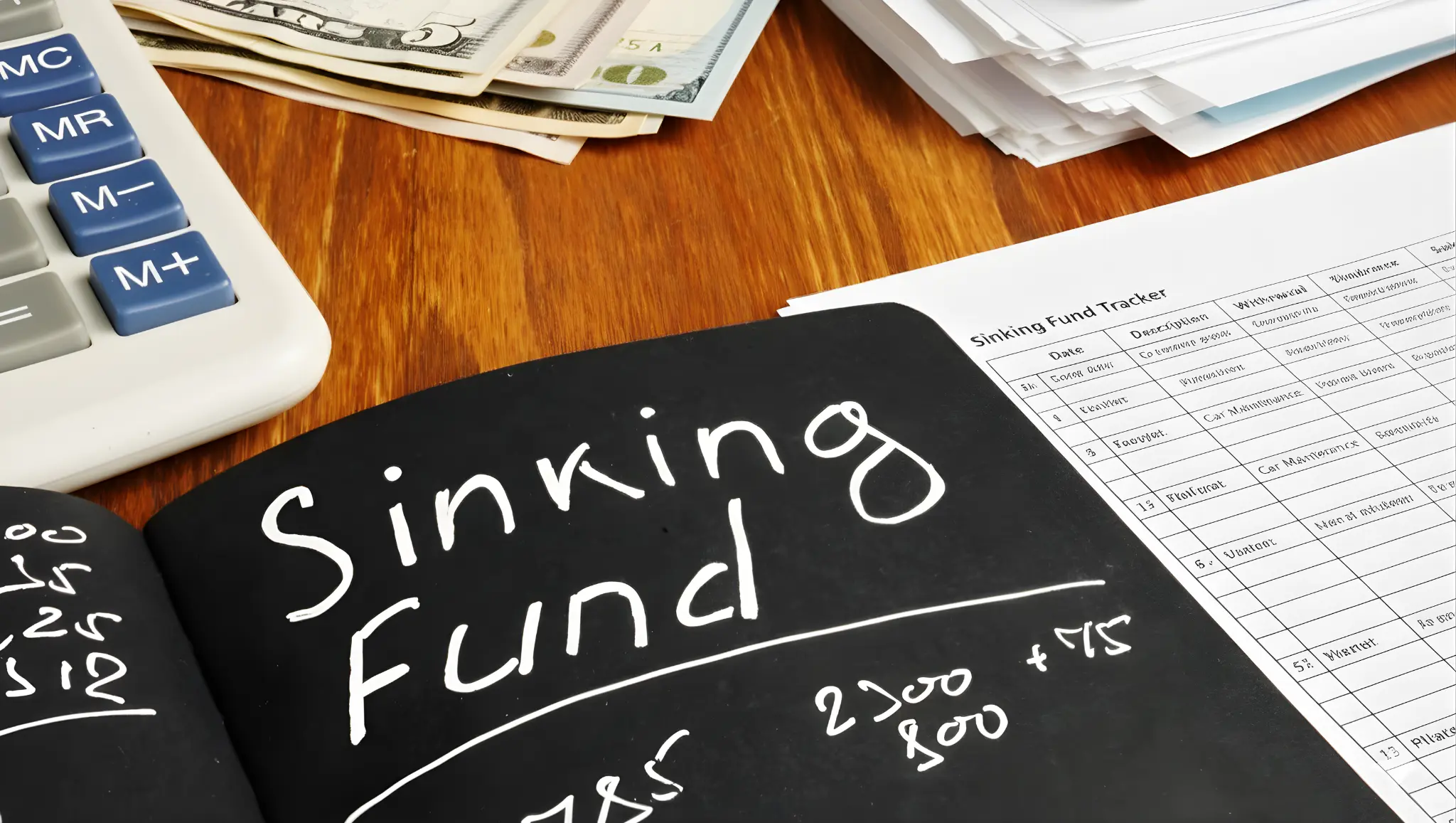
A sinking fund is a dedicated pool of money set aside for a future expense you can anticipate. It’s perfect for planned costs (like vacations or gifts), so you never dip into your emergency fund or rely on a credit card. The result? Less financial stress and more control.
Sinking funds can also help with expenses such as annual insurance payments, car maintenance, holiday shopping, or even upcoming medical bills. By allocating money in advance for these known costs, you protect your regular budget and avoid scrambling when these expenses arise, making financial planning much easier.
Simple Sinking Fund Categories for Beginners: Start With These 6
The most common beginner mistake is trying to fund twenty categories at once, then stalling within a month. You do not need all of them on day one. The simple sinking fund categories for beginners are the handful that cause the most so-called surprise bills, so start with these six and add more later.
| Category | What it covers | Start with |
|---|---|---|
| Car / transport | repairs, tires, registration | $20 to $50/mo |
| Medical | copays, dental, prescriptions | $15 to $40/mo |
| Home / renters | repairs, appliances, deposits | $20 to $50/mo |
| Annual bills | insurance, subscriptions | bill divided by 12 |
| Holidays / gifts | December, birthdays | $10 to $30/mo |
| Buffer / misc | the truly unexpected | $10 to $25/mo |
For annual bills the math is simple: take the yearly cost and divide by 12, so a $600 insurance premium becomes $50 a month set aside. Once these six run smoothly, add from the full list of 20 categories further down. New to budgeting overall? The budgeting tips for beginners guide and the 50/30/20 rule show where sinking funds fit in your wider plan.
Why Choose a Printable Sinking Fund Tracker?
Key benefits of printable trackers
A printable tracker keeps your goals visible and organized. You’ll:
- See your categories at a glance (vacation, repairs, holidays, etc.)
- Track monthly deposits, withdrawals, and balances
- Motivate yourself as your savings grow
Common elements in top templates
Top free printables include sections for fund category, goal amount, due date, deposits, and running balance.lance.
How To Start: Step-By-Step Guide
Setting up your sinking funds
- List your sinking fund categories: Pick what you need to save for, travel, home upgrades, school fees, and more.
- Set targets and deadlines: Decide how much and by when.
- Divide your goal into monthly payments: Stay consistent. Paid every two weeks? Here is how to start sinking funds with biweekly paychecks with a simple per-paycheck split.
- Track your progress: Print out a tracker (or use digital) and update often.
- Celebrate milestones: Reward yourself when you reach each target.
Top Free Sinking Fund Tracker Printables for 2026
Recommended printable template
Looking for a ready-to-go tracker? Here’s one to try:
OnPlanners.com Sinking Funds Tracker:
Download the blank template – OnPlanners.com
Easily organize categories, set goal amounts and due dates, and monitor your running balance. The template is printable and customizable, perfect for beginners and budgeting pros alike.
Enhance Your Budgeting Strategy
Take your savings up a notch with these related resources:
- Top 5 Passive Income Ideas in 2026 – Build lasting wealth
- Emergency Fund Calculator – Plan your backup savings
Tips for Success
How to maximize your sinking fund tracker
- Keep your tracker visible, pin to your planner or fridge.
- Make regular, small contributions for each goal.
- Review and update your tracker monthly.
- Try digital spreadsheets or printable PDFs for flexibility.
Why Are Sinking Funds Better Than Only Having an Emergency Fund?
Sinking funds vs emergency funds
While emergency funds cover life’s true surprises, sinking funds handle costs you know are coming. This approach prevents budget blowouts and reliance on debt.
Frequently Asked Questions
Q: Can I manage multiple sinking funds with one tracker?
A: Yes, just create categories for each goal and track separately!
Q: Are digital options available?
A: Absolutely! Try Excel, Google Sheets, or Notion templates for flexible tracking.
Q: How do I get started?
A: Print your free tracker, list your goals, and start saving!
Start today with a free printable, track your savings, and reach your targets without stress. Consistent action leads to financial wins, no matter your income or experience.
For downloadable templates, go here: Blank Sinking Funds Tracker – OnPlanners.com
And for more budgeting hacks, explore:
Your financial peace of mind starts now, choose your sinking fund categories, print your tracker, and celebrate every milestone on the way to your goals!
20 Sinking Fund Categories to Track
A sinking fund works best when each goal has its own line. These are the categories people most often forget to plan for, the “surprise” costs that are actually predictable. Start with three or four that apply to you rather than trying to fund all twenty at once.
| Category | Typical yearly cost | Monthly set-aside |
|---|---|---|
| Car maintenance & repairs | $600 | $50 |
| Car insurance (6-month premium) | $1,200 | $100 |
| Christmas & gifts | $720 | $60 |
| Annual subscriptions & renewals | $240 | $20 |
| Medical & dental | $600 | $50 |
| Home maintenance | $1,200 | $100 |
| Property taxes | $2,400 | $200 |
| Vacation / travel | $1,200 | $100 |
| Back-to-school | $360 | $30 |
| Pet care & vet bills | $480 | $40 |
Other common categories worth a line of their own: new phone or laptop, holidays other than Christmas, wedding and event gifts, clothing, HOA fees, annual memberships (gym, warehouse club), tax preparation, appliance replacement, birthdays, and a “life happens” buffer.
How to Use Your Sinking Fund Tracker (Step by Step)
- List your goals. Write one category per row on the tracker.
- Set a target amount and a deadline. For example, $600 for car repairs by December.
- Divide to find your monthly amount. Target ÷ months left = what to set aside each month.
- Automate the transfer. Move that amount to a separate savings account on payday so it isn’t spent.
- Color in or log each contribution. Watching the tracker fill up is what keeps most people consistent.
- Reset when a goal is reached. Once you spend from a fund, start the next cycle so you’re always one step ahead.
Worked Example: Saving for Car Maintenance
Say you expect about $600 in car repairs and an oil change or two over the next year. Instead of scrambling when the check-engine light comes on, you divide $600 by 12 and set aside $50 a month. By month six you already have $300 saved, enough to cover most single repairs without touching your emergency fund or reaching for a credit card. That’s the entire point of a sinking fund: turning an unpredictable bill into a small, planned monthly habit.
Sinking Fund vs. Emergency Fund
They’re not the same thing. A sinking fund is for expected costs you’re saving toward on purpose, a holiday, a car service, an insurance premium. An emergency fund is for unexpected events like a job loss or a medical emergency, and you generally leave it untouched. Using sinking funds actually protects your emergency fund, because the predictable stuff no longer eats into it.
Frequently Asked Questions
Where should I keep my sinking fund money?
A separate high-yield savings account works best, it keeps the money out of your checking account (so you don’t spend it) while earning interest. Many banks let you create multiple named “buckets” so each sinking fund category stays separate.
How many sinking funds should I have?
Start with three or four of your most predictable big costs. Once those feel automatic, add more. Too many at once can stretch your budget thin and make the system feel discouraging.

Sarah Whitman is the founder and lead editor of Keen Pocket. She holds a BS in Accounting and Finance and writes plain-English guides on budgeting, saving, debt, and beginner investing.