Fetch Rewards Review: How Fetch Cash Back Works (2026)

Last fact-checked: · Editorial standards
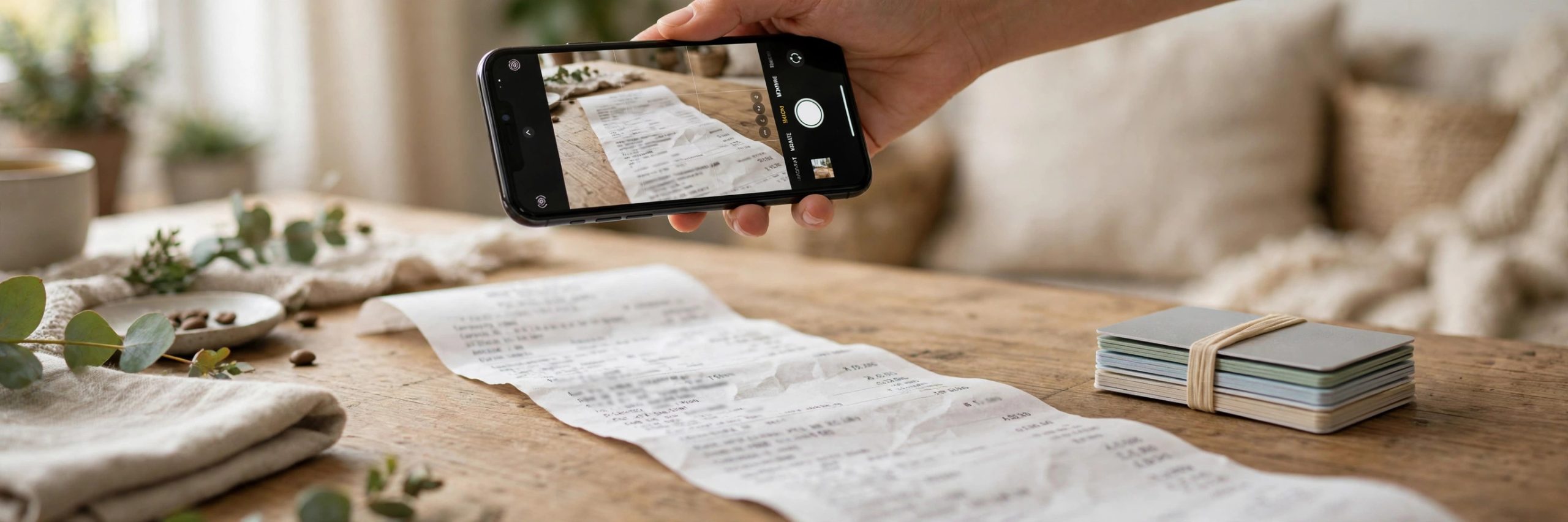
In this Fetch Rewards review, Fetch is the easiest app in the cash-back cluster — and the slowest-paying one. There is nothing to activate before you shop, no brand to match, no offer to remember. You buy what you were going to buy, you photograph the receipt, you get points. That is the whole job.
The trade-off is what those points are worth. They are not cash. They are gift cards only — no PayPal, no bank transfer — and your first reward is not the $3 the app advertises. It is $10. If you know that going in, Fetch is a pleasant little habit. If you expected cash, it will disappoint you.
This Fetch Rewards review covers how it works, how you actually get paid, what you can realistically earn, and who should skip it.
Fetch Rewards Review: What is Fetch Rewards?
In this Fetch Rewards review, Fetch — still widely called Fetch Rewards — is a free receipt-scanning app for iOS and Android, founded in 2013 in Madison, Wisconsin. It accepts receipts from almost any store: grocery, gas, restaurants, hardware, big box. Brands and retailers pay Fetch to see de-identified purchase behaviour and to put point bonuses on their products. Fetch pays you part of that back in points.
You do not buy anything from Fetch, and you do not have to change what you buy. That is the difference from Ibotta, where you activate a brand-specific offer before you shop and buy the exact size. With Fetch, the receipt itself is the earning event.
It is free to join, and it is open to shoppers in the United States only — you need a US address and phone number to register.
Fetch Rewards Review: How Fetch works, step by step
- Create an account and snap your first receipt. Download the app, register, and photograph a receipt. Any physical receipt earns at least 25 points.
- Snap receipts within 14 days. A receipt older than 14 days from its checkout date is rejected and earns nothing. The habit that works is snapping the receipt the day you shop, before it gets lost in a pocket or a bag.
- Check for brand bonuses before you shop. This step is optional, but it is where the money is. Partner brands pay 250 to 3,000+ points per item on top of the base 25. A quick glance at the app before a grocery trip is worth more than a month of base points.
- Link your email for eReceipts. Online orders from Amazon, Walmart and others can earn points automatically when you link an email account, with no photo needed. Fetch Shop (online shopping links) and Fetch Play (mobile-game tasks) earn points the same way.
- Watch the limits. You can snap up to about 35 receipts in a rolling week. That is plenty for one household — it only bites people scanning receipts for the whole family.
- Redeem for a gift card once you have enough points — see the payout section below, and read the first-redemption rule before you count on $3.
Fetch Rewards Review: What does Fetch pay?
There is no standard rate, because there are two kinds of earning. The base rate is tiny: 25 points per receipt, about 2.5 cents. The bonus rate is where the value lives: 250 to 3,000+ points per partner-brand item, plus eReceipts, Fetch Shop and Fetch Play.
Fetch’s own guidance puts about 1,000 points at $1 in gift cards, and says some cards are priced slightly off that. A $5 gift card costs roughly 5,000 to 6,000 points; a $10 card roughly 10,000 to 12,000; a $25 card roughly 25,000 to 30,000. The exact price varies by card, so check the one you want before you save for it.
A realistic example: a household that snaps every receipt and picks up a few brand bonuses earns roughly $3 to $5 a month in gift-card value. That is the honest figure from reviewers who tested the app for 90 days. It will not pay your rent. It is a free gift card every couple of months for shopping you were doing anyway — the same $100–$300 a year the pillar guide estimates for someone who routes most of their shopping through cash-back apps, with Fetch as the smallest contributor.
Fetch Rewards Review: How you get paid: gift cards only — and the $10 first reward
Fetch pays in gift cards, not cash. There is no PayPal and no bank transfer, and Fetch’s own terms say points have no cash or monetary value.
Payout methods:
| Method | Minimum | Timing |
|---|---|---|
| Gift cards (Amazon, Target, Starbucks and hundreds more) | 3,000 points, about $3, for select cards; most brands start at 5,000 points ($5) | Up to 72 hours to process |
| Visa prepaid cards | 5,000 points ($5) to 50,000 points ($50) | Up to 72 hours to process |
| Charity donations / sweepstakes entries | From 3,000 points | Varies |
And here is the rule that catches new users: your first redemption has to be a $10, $25 or $50 reward. Fetch’s own FAQ says that until you have redeemed a reward worth $10, $25 or $50 — or used 3,000 or more points to redeem before — only those three are available to you. So your first real cash-out is 10,000 points, about $10, not 3,000. The $3 and $5 options unlock only after that first $10+ redemption.
At the base rate of 25 points a receipt, 10,000 points is 400 receipts. Nobody gets there on base points alone. Brand bonuses, eReceipts and Fetch Play are what close the gap — which is why the “check for bonuses” step above matters more here than in any other app in the series.
Is there a welcome bonus?
Usually, yes — but the amount changes, so check the offer in the app when you sign up. Reports in late 2026 put the referral bonus at 1,000 to 2,000 points after your first receipt, entered before that receipt, with the amount in your app controlling. This post does not carry a referral code. Whatever the bonus is, it does not by itself get you to the 10,000-point first reward — it is a head start, not a payout.
The 90-day rule: the expiry to watch
If your account goes quiet for 90 days — no receipt submissions, no reward redemptions, no GoodRx uses — your points expire. All of them. Fetch says it warns you by email and text first, and scanning one receipt resets the clock.
In practice this only bites people who open the app, earn a few thousand points, and forget it. If you are going to use Fetch, scan something at least once a month. If you stop, redeem first — points left sitting there for three idle months disappear.
Stacking: how to earn more from the same shop
In this Fetch Rewards review, Fetch stacks with the same two things Rakuten and Ibotta do:
- A cash-back credit card. Pay with a card that earns 1.5–2% back and you get the card’s cash back plus Fetch’s points on the same shop.
- The other apps in this series. The same receipt can earn in more than one place: snap it in Fetch for points, and submit it in Ibotta if an offer matches — just follow each app’s receipt window (14 days for Fetch, 7 days for Ibotta).
What does not stack: expecting Fetch to replace Ibotta or Rakuten. Fetch is the receipt app. Ibotta is the grocery app ($20 minimum, real cash to PayPal or bank). Rakuten is the online-shopping app ($5.01 minimum, paid quarterly). Upside is the gas app (bank transfer from $1.01; PayPal was removed from all accounts on 14 Aug 2026). They cover different spending, and Fetch is the lightest earner of the four.
Who Fetch is NOT for
- People who want cash. Fetch pays in gift cards only. If you want money in your bank, use Ibotta or Upside instead.
- People who will not scan receipts promptly. A receipt older than 14 days earns nothing, and points expire after 90 idle days. If receipts pile up in your car, Fetch will frustrate you.
- People who want money this month. Your first reward is $10, and at 25 points a receipt that takes a while without brand bonuses. If you need cash fast, Fetch is the wrong app.
- People who buy nothing from partner brands and shop online only. The base rate alone is 2.5 cents a receipt. Without bonuses or eReceipts, you will wait a very long time for a $3 card.
Fetch vs the other cash-back apps
Fetch is the receipt app: any receipt, no planning, gift cards only, first reward $10. Ibotta is the grocery app: activate offers first, $20 minimum, real cash. Rakuten is the online-shopping app: $5.01 minimum, paid quarterly, real cash. Upside is the gas app: bank transfer from $1.01. Most people in the pillar guide’s setup use all four for the spending each one covers, then send the cash payouts to a high-yield savings account — and spend the Fetch gift cards at the stores they already shop at.
Fetch Rewards Review: Bottom line
The bottom line of this Fetch Rewards review: Fetch is legit, free, and genuinely pays — in gift cards, not cash — once you clear the 10,000-point first reward. If you shop every week, you can remember to snap a receipt the same day, and you are happy with a free Amazon or Target card every couple of months, it is the easiest app in the cluster to use. If you want cash in your bank, or money this month, skip it and use Ibotta or Upside for the spending you actually do.
Next in this series: Upside review — how to get cash back on gas — then the payout/minimums guide, each linking back to Cashback Apps That Pay Real Money, the Rakuten review and the Ibotta review.
Points, bonus amounts and payout rules verified 16 Nov 2026 from Fetch’s own FAQ and independent 2026 reviews. Check fetch.com / the app before you rely on a specific offer — they change without notice. This is not financial advice.

Sarah Whitman is the founder and lead editor of Keen Pocket. She holds a BS in Accounting and Finance and writes plain-English guides on budgeting, saving, debt, and beginner investing.